
Why Flexibility Matters
When people think about fitness, they usually picture strength training, cardio sessions, or high-intensity intervals. Flexibility rarely gets the spotlight — yet it’s one of the most essential components of a well-rounded, long-lasting training program.
Flexibility Training is a lot like Nutrition. We all know what is good, but sometimes we prioritize other things which are important to us. Stretching can seem as boring as a cup of yogurt or a bowl of fresh fruit versus a slice of key lime pie. I don’t expect everyone reading this blog to immediately fall in love with Flexibility Training, but my hope is by sharing my point of view on flexibility it might change the way you look at that 5 minute post workout stretch. Or maybe you are even inspired to take your first yoga class. Wherever you are on your fitness journey I am here to support and cheer for you.
The Essentials on Flexibility
Flexibility is the gateway to better mobility, better performance, and a body that ages with enduring strength and sustained health. When your muscles move freely through their full range of motion, every lift, stride, and rotation becomes more efficient and less risky. And when your joints operate without unnecessary tension, your entire training life improves.
1. Flexibility Reduces Injury Risk
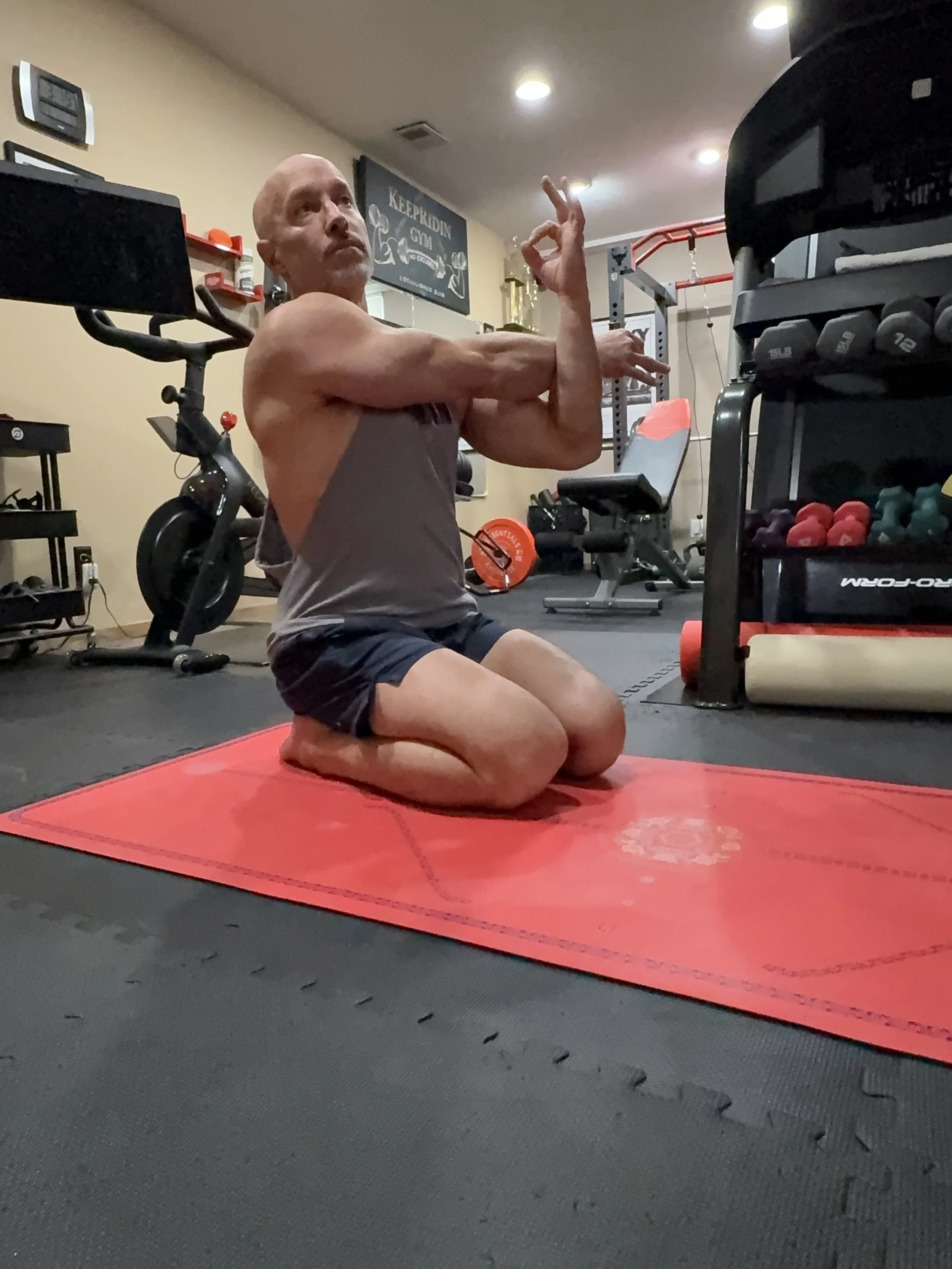
One of the biggest reasons flexibility matters is simple: a mobile body is harder to break.
We train hard in the gym to build and maintain muscle ideally performing working sets with 65-80% of our one-rep max. As the load gets heavier the opportunity to achieve gains in power and muscularity increases. However, training with heavy loads without the proper range of motion leads to muscle shortening, and joint imbalances that subsequently increase the risk of injury.
If you are in your 20s or 30s and encounter an unfortunate injury from training, you’ll bounce back after proper treatment and recovery. For those of us in our 40s, 50s, and 60s, injury setbacks have a much greater impact. As we age, it takes longer for the body to recover from soft tissue injuries such as a rotator cuff tear or meniscus issue.
Avoiding injury is key to a sustainable and progressive training program. Remember “Keep Ridin” is the goal — moving forward with persevering strength and sustainability so you can keep performing at your best.
2. Flexibility Enhances Strength and Performance
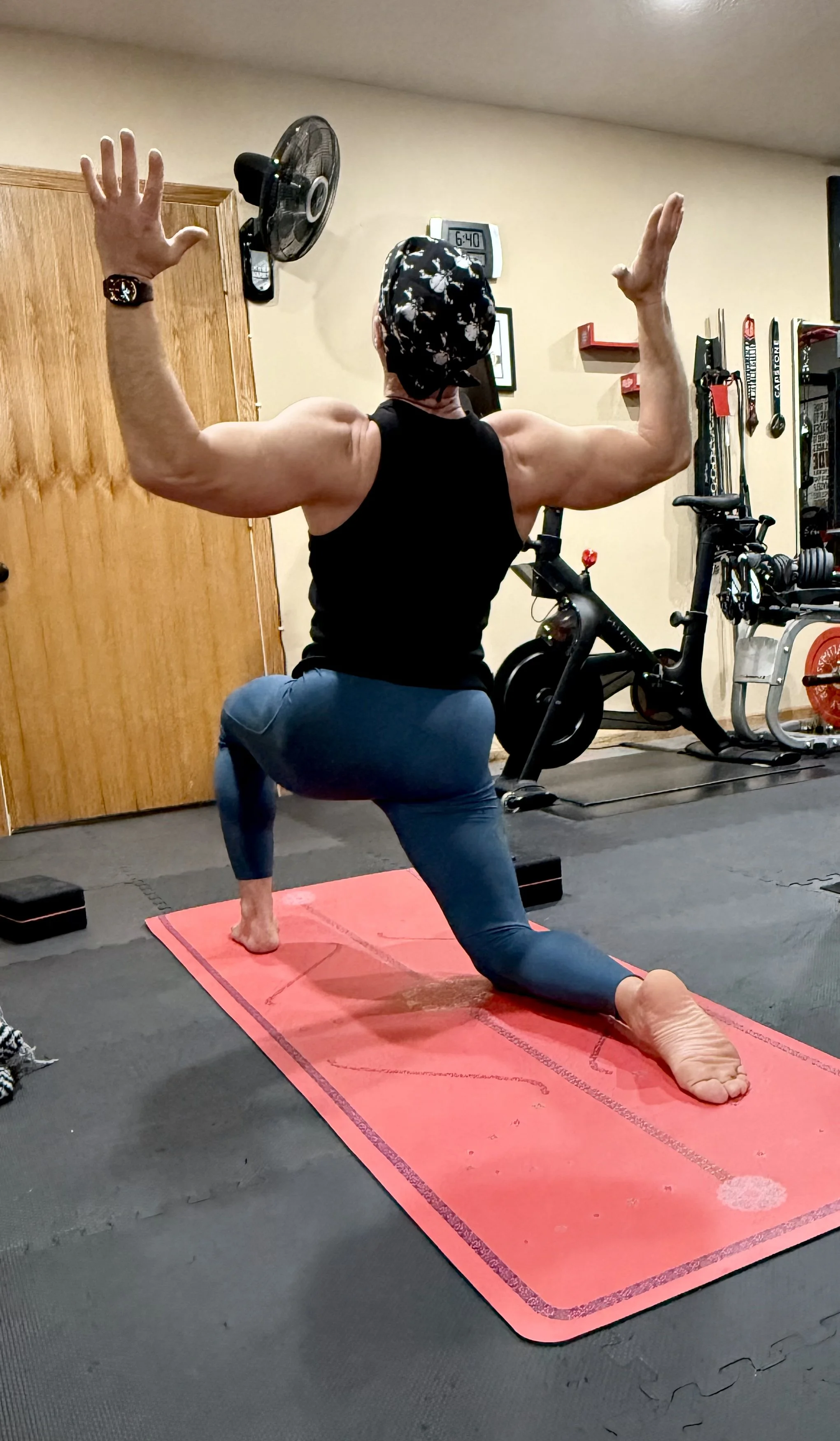
This might surprise people, but flexibility and strength work together, not against each other.
A muscle that can move through a full range of motion:
• Produces more force
• Stabilizes joints more effectively
• Develops strength evenly reducing muscle imbalances
• Execute movements with better technique
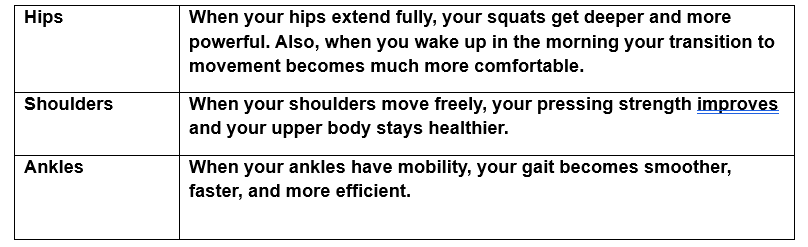
The best athletes in the world aren’t just strong — they’re mobile. Flexibility is the silent advantage behind speed, power, endurance, and control.
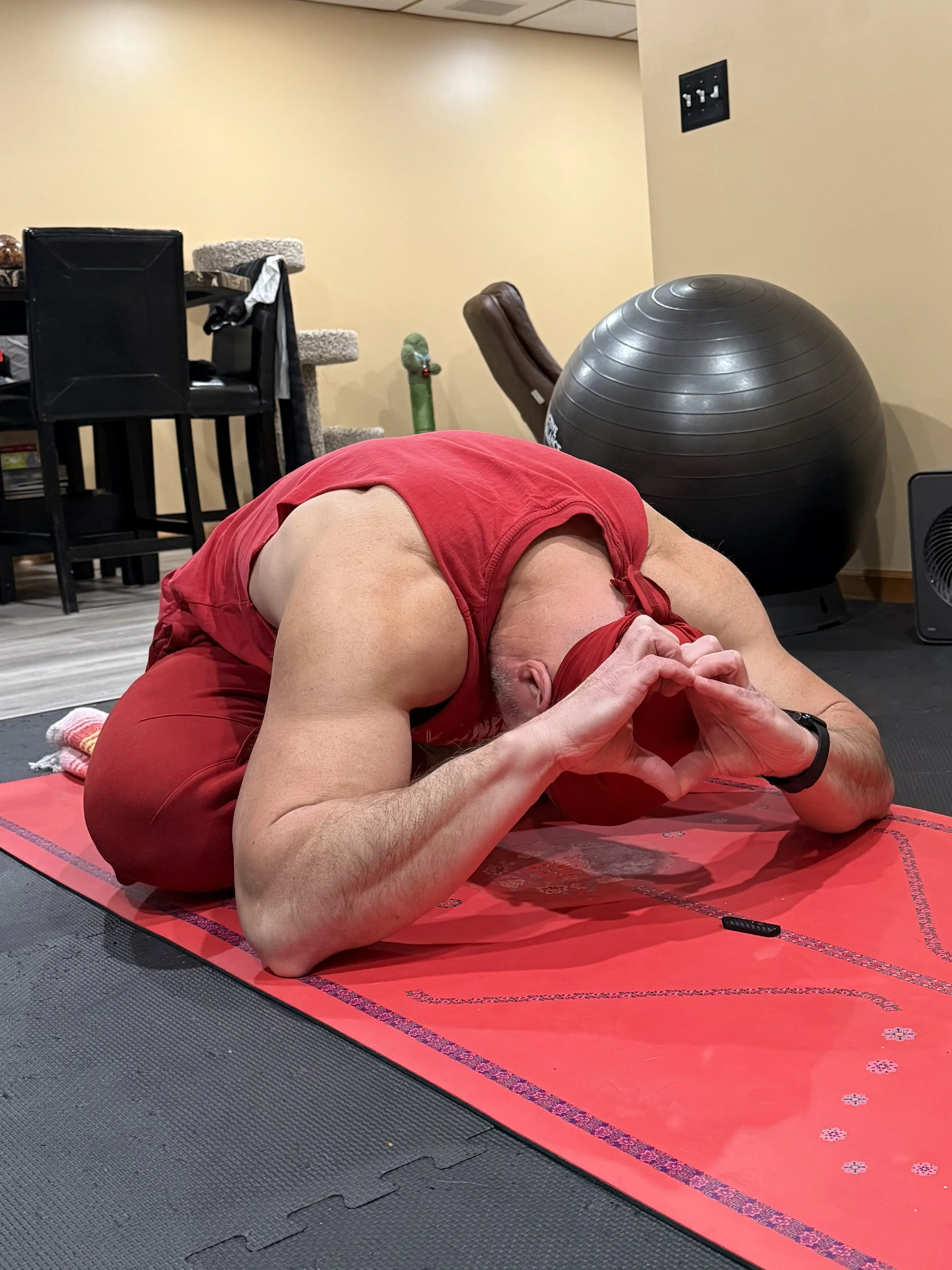
3. Flexibility Supports Longevity
Longevity isn’t just about living longer — it’s about moving better as you age. Flexibility is a massive part of that.
As we grow older, muscles naturally tighten, posture changes, and joints become less forgiving. Without intentional flexibility work, these changes accelerate. Daily tasks eventually become harder. Training becomes more frustrating. Pain becomes more frequent.
But when flexibility is prioritized, aging looks different:
• Joints stay mobile
• Posture stays aligned
• Movement stays smooth
• Pain stays minimal
• Training stays enjoyable
Flexibility gives you the freedom to keep doing the things you love — strength training, running, cycling, yoga, hiking — and doing them well.
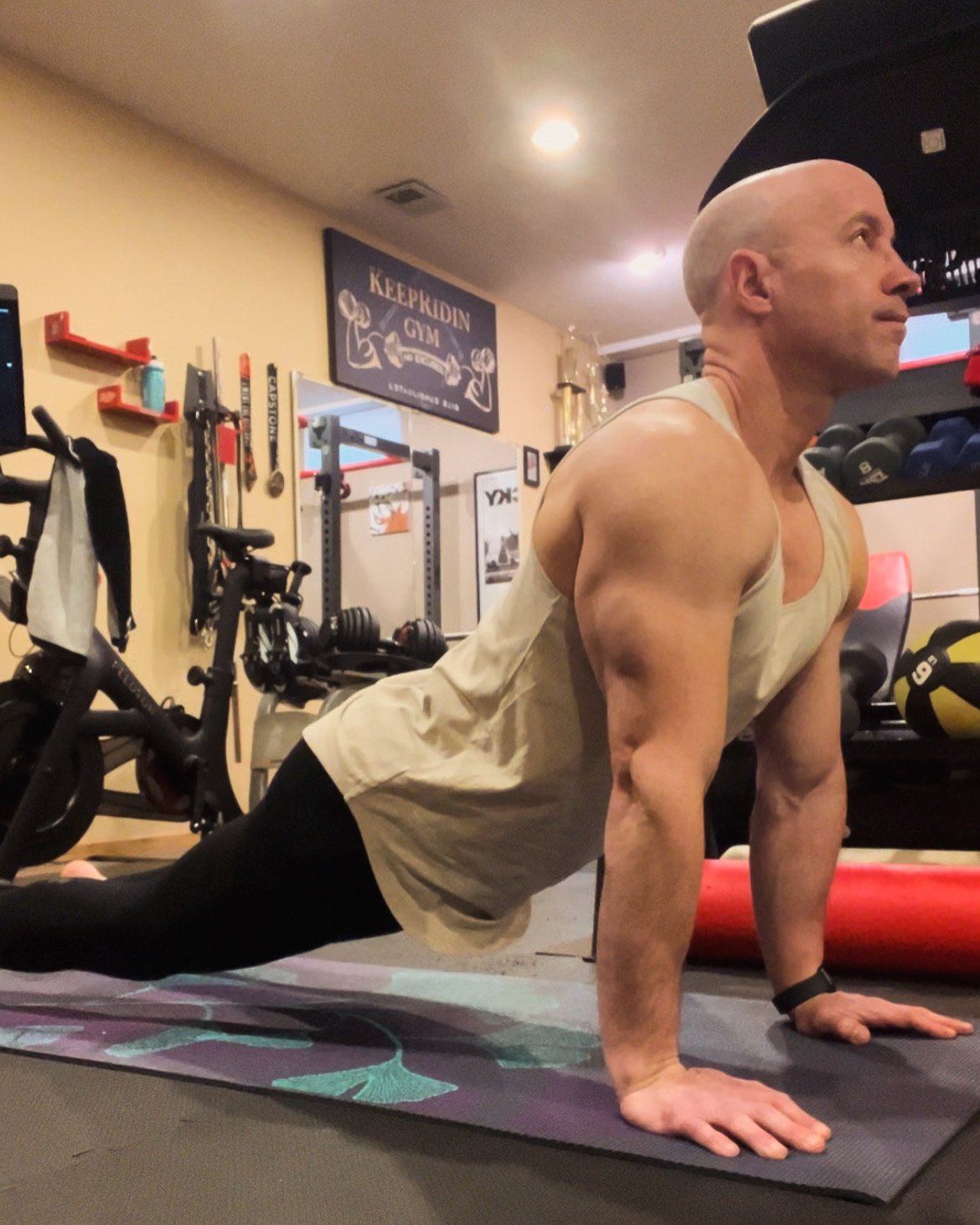
4. Flexibility Creates Better Body Awareness
Stretching forces you to slow down, breathe, and connect with your body.
Flexibility training increases proprioception — your awareness of where your body is in space. This means better control during strength training, safer movement during fast-paced workouts, and more confidence when tackling new training modalities.
When you understand your body, you move smarter. And when you move smarter, everything about your fitness journey improves.
An example from my own training — I used to struggle with proper bench press form. Looking up at the ceiling back arched while moving over 200 lbs just did not feel natural and my gains were limited. Yoga practiced changed this for me. With bench press and all of my lifts I am now aware of the movement path of the weight, the muscles that are engaged and most importantly my breathing. Yoga also taught me grounding and it benefits me in every workout. At times I feel like I am drawing energy from the floor to transfer additional strength to push out an extra rep or two.
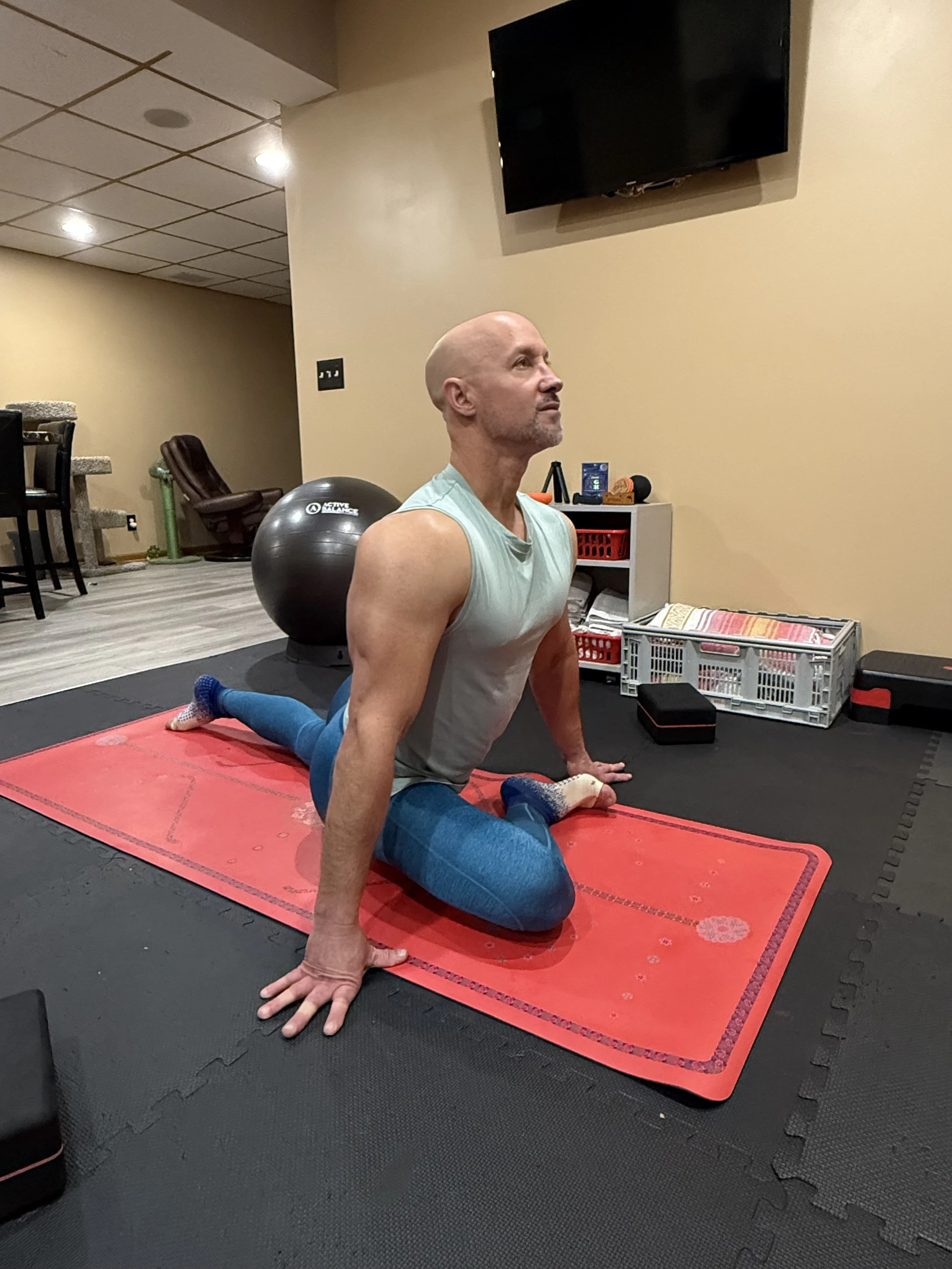
5. Flexibility Improves Daily Life
It’s not just for the gym — it’s for the moments that matter most:
• Getting out of bed without stiffness
• Picking something off the floor without pain
• Driving long distances comfortably
• Climbing stairs with ease
• Playing with your kids or grandkids
• Feeling physically free rather than restricted
Final Takeaway: Flexibility Is Strength for the Long Haul.
Flexibility is not optional — it’s foundational. It’s how you keep training consistently, performing powerfully, and aging with purpose. Whether your goal is to lift heavier, prevent injury, improve mobility, or simply move better in your daily life, flexibility training is a non-negotiable part of the equation.
It doesn’t take hours. A few intentional minutes every day or post-workout can transform the way your body feels and performs.
Train for strength
Train for mobility
Train for longevity
“Keep Ridin” - always
Need help getting started with Flexibility Training?
Click the button to Book a Free consultation with me.